



JUST LIKE YOU LIKE IT
Discover your favorite Whataburger products,shirts,hats, drinkware,
and more at the official whataburger online store!





Discover your favorite Whataburger products,shirts,hats, drinkware,
and more at the official whataburger online store!
COLLABORATIONS
COLLABORATIONS
COLLABORATIONS

COLLABORATIONS
COLLABORATIONS

COLLABORATIONS
COLLABORATIONS

COLLABORATIONS
The Just-Right Gifts for the Just-Like-You-Like-It Crowd.

GIFTS





GIFTS


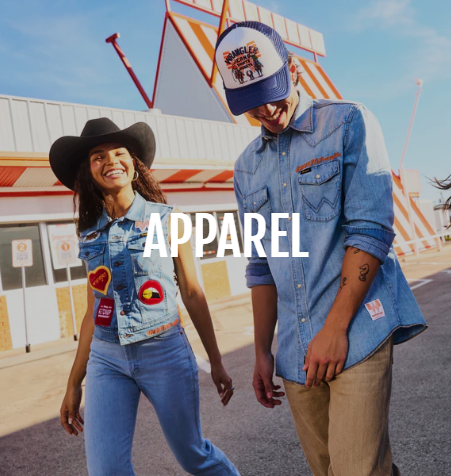
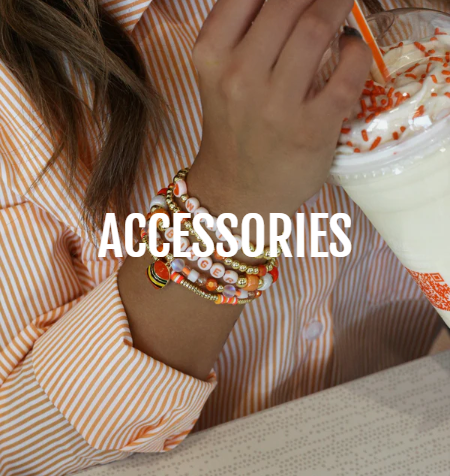

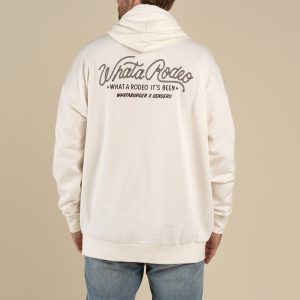
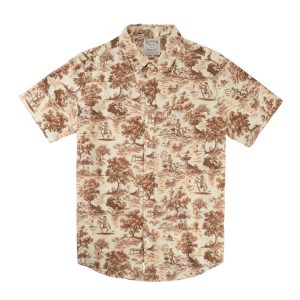
Clothing is more than just fabric stitched together; it is a fundamental layer of human expression, a complex language spoken without words. It stands at the intersection of utility, culture, and personal narrative, constantly evolving to mirror the changing spirit of society. For many, the act of selecting an ensemble each morning is a powerful, yet often subconscious, ritual of identity formation. Every choice—from the texture of a textile to the cut of a silhouette—is a statement about who we are, who we aspire to be, and how we wish to engage with the world on any given day.
The history of apparel is a parallel history of human civilization. Early garments served the essential function of protection against the elements, a purely practical need. Yet, even in antiquity, subtle variations in material, color, or drape began to signify social rank, occupation, and ritual significance. Over the centuries, this communicative function only deepened. Apparel served as a visible demarcation of class boundaries, gender roles, and community affiliation, often strictly governed by sumptuary laws that dictated who could wear what. The very act of dressing became a public performance of one’s place within the social hierarchy.
The democratization of making clothing, which accelerated with industrial advancements, fundamentally shifted this landscape. Suddenly, a wider range of styles became accessible to more people, transforming the concept of dress from a rigid social code to a fluid, personal canvas. This change ushered in the modern era of fashion, where trends move at a breathtaking pace, drawing inspiration from street culture, artistic movements, and digital connectivity. Today, the conversation around apparel often centers on individual style, with emphasis on versatility and mixing different aesthetics to create a unique look. The modern wardrobe is a dynamic collection of pieces that can be endlessly reconfigured.
A crucial consideration in contemporary discourse is the concept of sustainability and conscious consumption. As awareness grows about the environmental and ethical impacts of high-volume manufacturing, many people are shifting their focus from fleeting trends to timeless quality. There is a growing appreciation for craftsmanship, durable materials, and thoughtful design that transcends seasonal novelty. This move towards a more considered approach encourages rediscovering pieces, creatively repairing and repurposing existing garments, and investing in items that offer lasting value. This philosophy not only benefits the environment but also deepens the personal connection one has with their wardrobe.
Ultimately, the true significance of clothing lies in its capacity to empower the wearer. A well-chosen outfit can profoundly impact one’s mood and confidence. It is a psychological tool, a form of gentle armor that helps one navigate the demands of daily life. Whether it’s the comforting familiarity of a well-worn sweater or the sharp structure of tailored outerwear, what we put on has the potential to alter our inner state and how others perceive us. By understanding this silent power, we can move beyond simply following trends and embrace a style that is authentic, expressive, and deeply personal. Clothing, in its truest form, is a continuous autobiography written in fabric and thread.
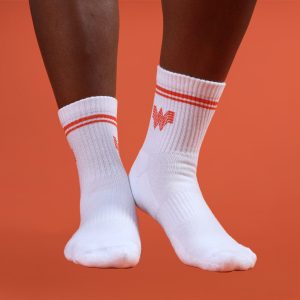
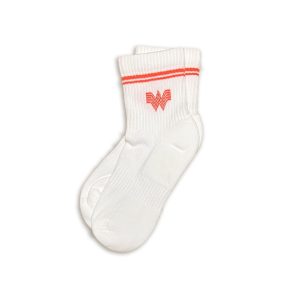
For millennia, the humble sock occupied a purely functional role, a secondary layer designed solely for comfort and protection within footwear. From crude wrappings of animal skin and woven fiber in ancient times to the rudimentary knitting techniques of the Middle Ages, the purpose remained simple: to cushion the foot, wick moisture, and provide warmth. Yet, in a fascinating evolution of fashion, this often-overlooked necessity has stepped out of the shadows, transforming into a vibrant, expressive, and indispensable accessory that commands attention.
The journey of the sock from utility to style icon is a reflection of broader cultural shifts that have increasingly valued personal detail and playful non-conformity. Historically, if socks were seen at all, they were a conservative extension of the trousers or shoes, meant to blend in rather than stand out. The 20th century, particularly with the advent of accessible manufacturing and synthetic materials, began to change this. The introduction of standardized athletic gear brought the tube sock into prominence, a practical item that quickly became an emblem of sports and casual youth culture. This marked an initial, subtle step towards visibility.
The true renaissance of the sock, however, has occurred more recently, propelled by a desire to inject personality into everyday ensembles. Contemporary fashion celebrates the sock as a canvas for creativity. No longer bound by neutral colors or conventional patterns, they now appear in a spectacular array of bold graphics, intricate textures, and eye-catching hues. This shift allows for an accessible form of self-expression; one can maintain a relatively classic outer garment while using the sock to deliver a burst of unexpected color or a quirky motif, acting as a secret, playful rebellion against uniformity.
Styling has embraced the visible sock with enthusiasm. They are now intentionally paired with everything from structured boots and casual sneakers to formal loafers and even open-toed sandals, blurring traditional sartorial lines. The deliberate choice to showcase a highly patterned or brightly colored sock signals confidence and a sophisticated understanding of subtle flair. It demonstrates an appreciation for the complete picture of an outfit, acknowledging that true style resides in the meticulous attention to every element, no matter how small.
Furthermore, the materials and construction of socks have become a matter of considered choice, mirroring a wider trend toward textile innovation. Beyond standard cotton and wool, options now include luxurious fibers for supreme comfort, specialized compression fabrics for wellness, and sustainable blends for the eco-conscious consumer. This focus on material quality elevates the sock from a disposable item to a durable wardrobe investment. In essence, the sock has successfully transitioned from being a mere afterthought to a significant punctuation mark in the language of personal style, proving that even the smallest piece of attire can carry the weight of fashion and individual identity. It is the silent, yet powerful, statement maker of the modern wardrobe.
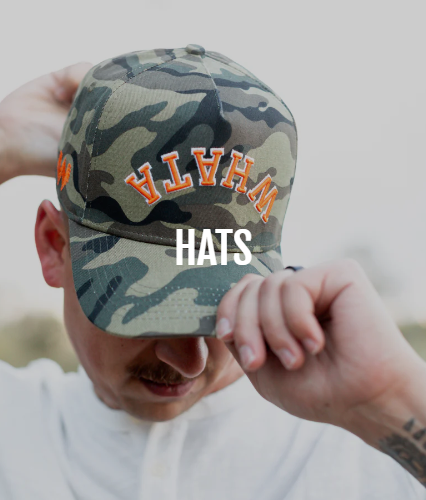
The history of headwear is one of the most compelling narratives in the world of apparel, charting a course from essential protection to profound social symbol and, finally, to a potent accessory of personal style. Long before they were a fashion choice, hats were a necessity, providing shelter from sun, rain, and cold. Yet, the moment a simple head covering was adorned, shaped, or uniquely crafted, its function expanded dramatically. Hats became, and for centuries remained, the most visible indicator of a person’s social standing, occupation, marital status, and cultural affiliation.
In many historical contexts, to be seen without a hat was a notable exception, often reserved for the most intimate or informal settings. Etiquette dictated the appropriate headwear for countless occasions—from indoor gatherings to outdoor pursuits, formal events to casual strolls. This level of formality made the hat a highly performative piece of clothing. Think of the structured formality of a top hat, the professional utility of a fedora, or the intimate delicacy of a bonnet; each style communicated a clear, immediate message about the wearer and their context. The craft of millinery flourished, transforming materials like felt, straw, and fabric into architectural works of wearable art, often adorned with ribbons, feathers, and elaborate trimmings.
The mid-20th century saw a significant decline in the everyday necessity of headwear, a cultural shift driven by changes in lifestyle, transportation, and a move towards less formal dress codes. Paradoxically, this decline freed the hat from the constraints of social obligation, allowing it to fully embrace its role as a deliberate fashion accessory. Today, wearing a hat is an act of choice, a conscious decision to complete a look, add drama, or simply express one’s mood.
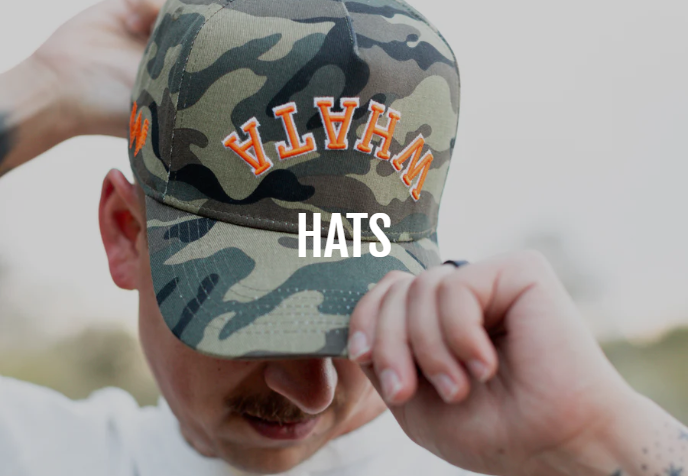
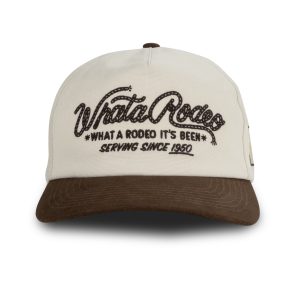
Contemporary headwear is incredibly diverse, encompassing everything from the casual, soft-knit beanie that signifies relaxed comfort, to the broad-brimmed sun hat that speaks of effortless glamour, and the structured cap that hints at a sporty, utilitarian aesthetic. Each type offers a distinct silhouette that can dramatically alter the perception of an entire outfit. A felt brimmed hat, for instance, can instantly lend an air of mystery or sophistication to an otherwise simple coat, while a vibrant, playful beret can inject a dose of artistic whimsy.
Beyond aesthetics, the hat retains an element of its original, protective function, while adding an emotional layer—it is an accessible tool for transformation. On a bad hair day, it offers an instant solution; in a crowd, it helps one stand out. It is the highest point of an ensemble, the feature closest to the face, ensuring that it is often the first and most memorable detail a person notices. By consciously selecting the shape, material, and color of a hat, the wearer exercises a powerful form of self-curation, using their headwear not as an obligation, but as a triumphant final touch to their personal presentation. It remains, quite literally, the crowning element of a thoughtful wardrobe.